
8:00 am
NETWORKING BREAKFAST:BUILD COMMUNITY CONTACTS
- Start your day off right and connect with food safety and regulation leaders.
- Get to know your industry peers and colleagues over a delicious breakfast.
- Source practical tips, discuss best practices, and prepare for the day ahead.

9:00 am
OPENING COMMENTS FROM YOUR HOST
Gain insight into today’s sessions so you can get the most out of your conference experience.
9:15 am
OPENING KEYNOTE
UNDERSTANDING CFIA INSPECTION GUIDELINES
Navigate CFIA requirements to ensure your operations meet national standards for food safety, quality, and regulatory compliance. A clear understanding of these guidelines helps organizations minimize risk while maintaining consumer trust. Leave with a deeper understanding to:
- Interpret CFIA inspection standards and procedures across different food categories.
- Prepare your facilities, records, and staff for routine and targeted inspections.
- Implement corrective actions and continuous improvement based on inspection findings.
Master CFIA inspection guidelines to enable proactive compliance, reduce risk, and strengthen both operational efficiency and consumer confidence.

9:45 am
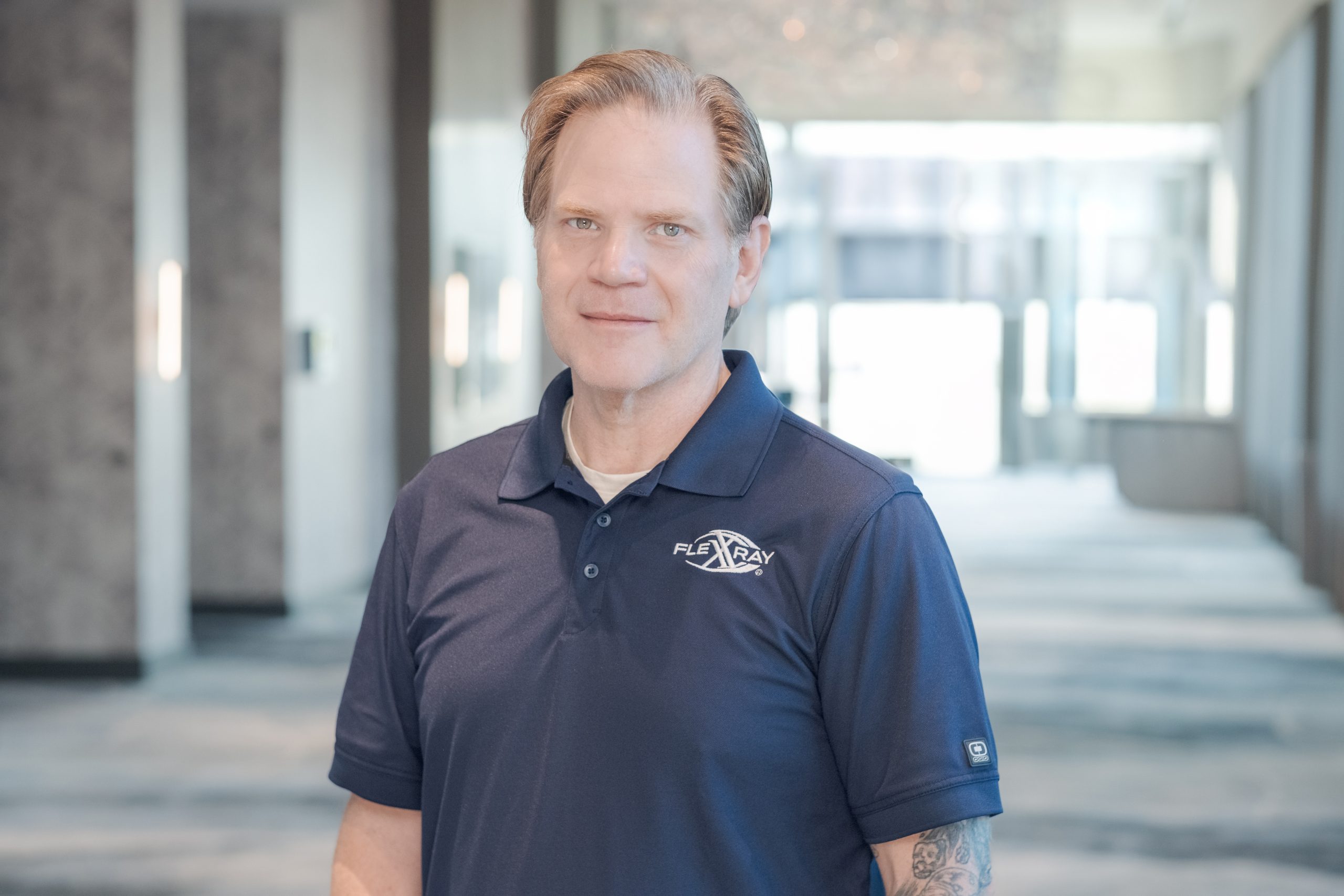
INDUSTRY EXPERT PRESENTATION: REGULATORY KEYNOTE
Foreign Material Inspection: Mitigation Strategies for Your Product
Explore proactive approaches food manufacturers can take to identify, manage, and reduce the risks associated with physical contamination. This presentation will discuss the role of inspection technologies, the limitations of traditional detection methods, and how external inspection and recovery solutions can help protect consumers, minimize product loss, and strengthen food safety programs.
3 Main Takeaways:
- Identify common sources of physical contamination and where vulnerabilities can occur throughout the manufacturing process.
- Learn how inspection methods can complement existing food safety programs and improve the ability to detect and address contamination events.
- Discover strategies to recover impacted product, minimize waste, and maintain customer confidence during foreign material incidents.
10:15 am
ROUNDTABLES:DISCOVER THOUGHT-PROVOKING IDEAS
Take a deep dive down the innovation rabbit hole in one of our roundtable discussions. Share common challenges and best practices with your food safety and compliance peers on a topic of your choosing:
1. AI in Food Safety – Led by: Kamanie Sitaram, Director of Compliance and Audit of North America, FGF
2. Recall Strategies- Brad O’Kurily. Food and Product Safety Director, Costco Canada
3. Avoiding Contaminants- Led By: Priya Singer, VP FSQA, Bento Sushi
4. Regulation and Compliance –
5. Biomapping Evolution– Led By: Dr. Marcos X. Sanchez-Plata, Associate Professor of Global Food Security and Food Safety, Texas Tech University: International Center for Food Industry Excellence
6. Allergens- Led by: Anisha Bakshi, Quality Assurance Compliance Lead, Give and Go Prepared Foods
7. Verification and Validating Processes- Led By: Harpreet Sandhu, Corporate Manager Quality Assurance, Food Safety, Sanitation and Regulatory Affairs, OIC Foods
8. Food Fraud and Supply Chain Integrity
9. Incident Response
10. Climate Change & Food Safety
11. The Future of Food Safety Workforces
12. Inspection Best Practices
13. Sanitization Excellence
14. Foreign Material Prevention and Control
15. Automation, Robotics and Smart Manufacturing

10:45 am
EXHIBITOR LOUNGE:VISIT BOOTHS & SOURCE EXPERTISE
- Explore the latest food safety and compliance technology and strategies with our industry-leading sponsors.
- Share your challenges with the biggest innovators in the business.
- Schedule one-to-one private meetings for personalized advice.

11:15 am
INDUSTRY EXPERT BEYOND THE POSITIVE
A Practical Framework for Integrated Listeria Control
This session explores an integrated approach to Listeria control in ready-to-eat food environments, moving beyond simple detection to source identification, mapping, mitigation, and verification. Drawing on current regulatory expectations and expert guidance, it will show how environmental monitoring data can be used to interpret positive findings, support root cause analysis, identify harborage sites and transfer pathways, and strengthen corrective actions and trend-based decision-making.
A key theme of the presentation is that a positive Listeria spp. finding should not automatically be viewed as failure, but as an opportunity to evaluate whether the monitoring program is effectively detecting risk. The session will also demonstrate how vector sampling and quantitative mapping can transform a positive result into actionable intelligence and will conclude with an example of an integrated workflow for environmental Listeria control in RTE operations.


11:45 am
PANEL
FROM FARM TO FIRST CUT:
STRENGTHENING FOOD SAFETY FOR PRIMARY PROCESSORS
For primary meat processors, food safety begins long before production lines start. Managing microbial risks in raw, fresh, and frozen meats requires a strong foundation of hygiene, traceability, and proactive controls. By improving on-farm cleanliness and early-stage handling, processors can reduce microbial load, minimize contamination, and lessen reliance on chemical interventions downstream. Source practical strategies to:
- Understand microbial hazards commonly found in raw and frozen meats, including Salmonella, Listeria monocytogenes, and E. coli, and how they spread through early production stages.
- Enhance on-farm hygiene to lower contamination risks before processing begins and optimize cleaning and sanitation programs that balance microbial control with reduced chemical usage, supporting both sustainability and food safety goals.
- Leverage monitoring technologies and microbial testing to track cleanliness and verify interventions throughout the supply chain.
Build a stronger food safety culture from farm to factory — where better hygiene, smarter monitoring, and targeted interventions create safer meat products with fewer chemicals and greater consumer confidence.



12:15 pm
NETWORKING LUNCH:DELVE INTO INDUSTRY CONVERSATIONS
- Meet interesting speakers and pick their brains on the latest industry issues.
- Expand your network and make connections that last beyond the conference.
- Enjoy great food and service while engaging with your food safety and regulation colleagues.

1:15 pm
PRESENTATION: BUSINESS TRANSFORMATION
BUSINESS TRANSFORMATION – STARTS ON THE FLOOR
When a food safety program fails on the floor, the program is rarely the problem — the gap is almost always between what was written and the people responsible for executing it every day.
Drawing on a real acquisition case study, explore what it actually takes to close that gap and drive lasting change across facilities, teams, and cultures. Move beyond integration and into true transformation by building the people-first foundation that makes food safety programs stick. Source a practical framework to:
- Distinguish integration from transformation — and understand why confusing the two is the most common and costly mistake in any acquisition or program rollout
- Build ownership, clarity, and alignment on the floor before introducing new technology or automation
- Apply a repetition-based approach to training that drives genuine behaviour change, not just documented sign-off

1:15 pm
MASTERCLASS
TRACEABILITY IN ACTION IN COMPLEX CANADIAN SUPPLY CHAINS
Build regulatory-ready food safety systems with full supply chain visibility and documented accountability from farm to fork. In today’s regulated marketplace, traceability isn’t optional — it’s a legal expectation and a cornerstone of public trust. Strengthen compliance and readiness to:
- Implement traceability frameworks aligned with Canadian federal regulations and international food safety standards.
- Deploy digital systems to rapidly track, trace, and verify product movement, supporting swift regulatory response and recall execution.
- Maintain complete, auditable records to meet inspection requirements and demonstrate proactive risk management.
Position traceability as a regulatory asset, ensuring compliance, protecting consumers, and enabling confident oversight at every stage of your supply chain.

2:00 pm
MASTERCLASS
AI AND EI IN CANADIAN FOOD SAFETY
Artificial Intelligence (AI) is revolutionizing industries worldwide, and the food safety sector in Canada is no exception. Today, we will examine insights into how AI, intertwined with Emotional Intelligence (EI), is setting new benchmarks in food safety protocols and management. This intersection of AI and EI fosters an environment where technology not only solves complex problems but does so with an understanding of human values, emotions, and the societal impact of its implementations.
By the end of this masterclass, participants will:
- Understand how AI and EI work together to strengthen food safety outcomes
- Identify 3 practical applications they can implement in their organization
- Develop an action plan for integrating human-centred AI approaches in food safety protocols

2:00 pm
PRESENTATION: Advancing Allergen Management
Updates from the Codex Committee
Get a top-level overview of the latest work by the Codex Committee on Food Labelling as it relates to food allergens.
- Gain insight on the most recent international discussions, proposed changes to priority allergen lists, and evolving guidance on precautionary allergen labelling (PAL)
- Proposed best practices on PAL & alignment with current Canadian guidelines
- Effective allergen labelling practices and communication to ensure consumers can make informed food choices

2:45 pm
EXHIBITOR LOUNGE:ATTEND VENDOR DEMOS & CONSULT INDUSTRY EXPERTS
- Enjoy exclusive sponsor demos and experience the next level of food safety and compliance innovation firsthand.
- Meet one-on-one with leading solution providers to discuss organizational hurdles.
- Brainstorm solutions and gain new perspectives and ideas.

3:15 pm
PANEL
HARNESSING RESEARCH TO STRENGTHEN FOOD SAFETY AND LABELLING COMPLIANCE
Apply the latest scientific and regulatory insights to improve food safety and labelling practices, ensuring accurate consumer information and full compliance with Canadian and international standards. As expectations evolve, informed labelling is not only a legal requirement — it’s a critical trust-builder. Follow a compliance-focused roadmap to:
- Use evidence-based criteria to develop labels that accurately communicate ingredients, allergens, nutritional information, and safety claims.
- Integrate labelling requirements into food safety systems, ensuring packaging and labelling work together to meet regulatory mandates and reduce consumer risk.
- Continuously monitor regulatory updates to adjust labelling strategies and maintain compliance across diverse markets.
A research-driven approach to labelling strengthens food safety assurance, enhances consumer confidence, and ensures regulatory alignment while supporting safe, transparent food systems.




3:45 pm
INDUSTRY EXPERT
SOLUTIONS FOR PHYSICAL CONTAMINATION DETECTION
Physical contamination detection plays a critical role in protecting consumer safety and maintaining brand integrity within the food and beverage industry. When foreign material incidents occur, processors are often faced with significant quantities of on-hold inventory, operational disruption, and substantial financial exposure.
This presentation will explore advanced X-ray inspection and re-inspection methodologies designed to help food processors rapidly recover product while maintaining the highest standards of food safety and quality assurance. Attendees will gain insight into METTLER TOLEDO X-ray Reclaim’s mobile and in-house re-inspection services, which provide fast, reliable foreign material screening directly at customer facilities or through dedicated inspection centers.
The session will also highlight the capabilities of Photon Counting Technology (PXT™) photon counting x-ray systems for detecting a broad range of contaminants, including metal, stainless steel, bone, stone, glass, dense plastics, rubber, gaskets, and wire. Advanced detection technologies can identify many standard foreign materials at sub-millimeter levels, enabling processors to release on-hold inventory with minimal disruption to operations and supply chain continuity.
In addition, the presentation will discuss practical implementation strategies, validation methodologies, reporting and traceability requirements, and the growing importance of rapid response contamination recovery programs in modern food manufacturing environments.

4:15 pm
PANEL
MANAGING ALLERGEN RISK IN A PERSONALIZED NUTRITION ERA
As personalized nutrition gains momentum, allergen management becomes more critical than ever. Companies must navigate evolving consumer expectations, global standards, and digital transparency tools to ensure safety and trust. Source innovative insights to:
- Understand the growth of allergen-free markets and the implications for food manufacturing, retail, and service.
- Implement next-generation allergen labelling strategies, including digital QR code transparency.
- Align allergen management practices with global standards to ensure consistent safety across markets.
Proactively managing allergen risk in the personalized nutrition era safeguards consumers, strengthens brand trust, and ensures compliance in a rapidly evolving market.




4:45 pm
CLOSING COMMENTS FROM YOUR HOST
Review the key solutions and takeaways from the conference. Source a summary of action points to implement in your work.
5:00 pm